Soothe the Itch: Effective Treatments for Vermin Bites
Vermins are small, parasitic insects that feed on the blood of human beings and animals. They are normally discovered in beds, furniture, and other locations where individuals sleep or rest. Vermin bites can trigger itching, inflammation, and swelling, and can be a problem to handle. In this post, we will check out the symptoms and causes of insect bites, how to identify insects in your home, ideas for avoiding infestations, treatments for bedbug bites, when to seek medical attention, and more.
Understanding Bedbug Bites: Symptoms and Causes
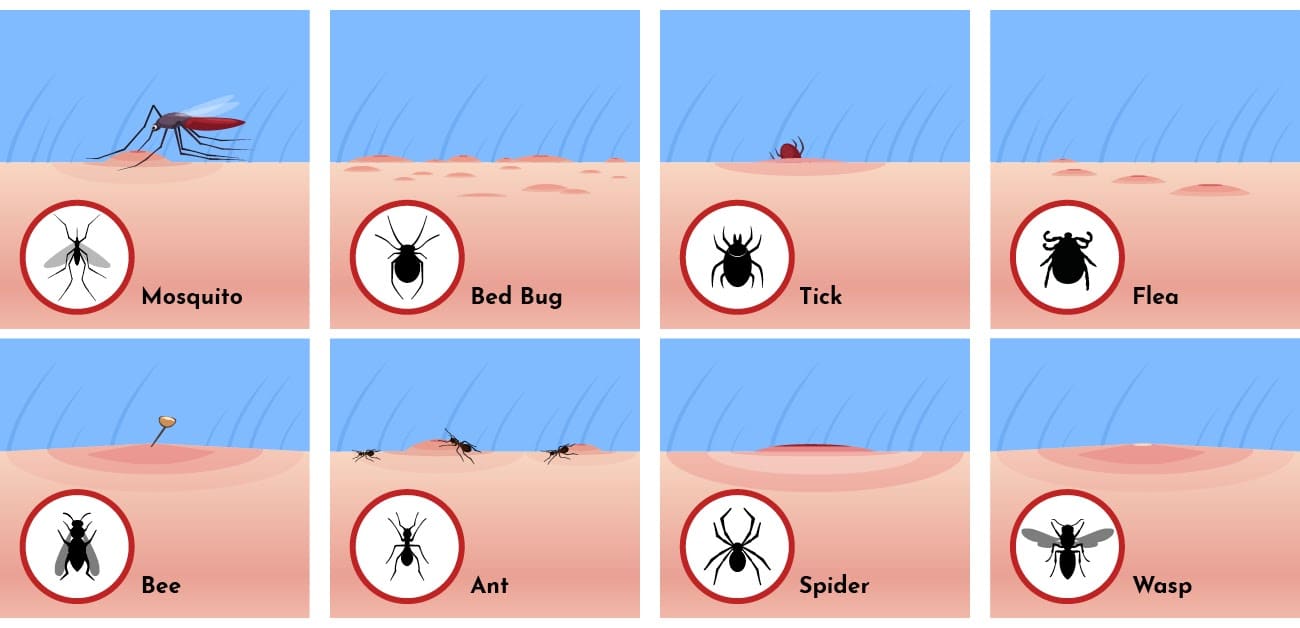
Insect bites are normally small, red bumps that appear in a line or cluster on the skin. They can be itchy and may become swollen or inflamed. The bites are typically pain-free initially however can end up being more unpleasant gradually. It is essential to note that not everyone responds to bedbug bites in the exact same method, so some individuals may not experience any signs at all.
Vermins bite by piercing the skin with their mouthparts and injecting saliva into the injury. The saliva includes anesthetic and anticoagulant residential or commercial properties that prevent the person from feeling the bite and allow the vermin to feed without disturbance. Bedbugs are most active in the evening and are attracted to temperature and co2, which is why they tend to bite while people are sleeping.
While vermin bites are usually harmless, they can cause secondary infections if scratched excessively. Additionally, some people may have an allergic reaction to the bites, which can lead to more serious symptoms such as blisters or hives. In unusual cases, insect bites have been related to anaphylaxis, a serious allergy that needs instant medical attention.
How to Identify Bedbugs in your house
Recognizing vermins in your home can be tough as they are little and proficient at hiding in cracks and crevices. There are some indications that can show a vermin infestation.
Insects are typically found in locations where individuals sleep or rest, such as beds, couches, and chairs. They can likewise be found in fractures and crevices in walls, floors, and furniture. When examining for insects, it is necessary to examine all areas thoroughly, including joints and tufts of mattresses, behind headboards, and in electric outlets.
Prevention is Key: Tips to Avoid Bedbug Infestations
Preventing insect problems in your home is vital to avoid the inconvenience and pain of dealing with these bugs. Here are some pointers to assist you prevent insects from entering your home:
1. Inspect previously owned furniture: Before bringing any used furniture into your home, thoroughly check it for signs of bedbugs. Search for dark spots, shed skins, or live bugs.
2. Usage protective covers: Encase your mattress and box spring in protective covers that are created to keep insects out. This will assist prevent problems and make it easier to discover any insects that do handle to enter your home.
3. Minimize mess: Bedbugs like to conceal in chaotic locations, so keeping your home tidy and clutter-free can assist prevent them from settling.
4. Beware when traveling: When staying in hotels or other accommodations, inspect the room for signs of bedbugs before unpacking. Keep your baggage off the floor and away from the bed to decrease the risk of bringing vermins home with you.
5. Routinely wash and dry bedding: Washing your bed linen in hot water and drying it on high heat can assist eliminate any insects or eggs that might be present.
Over-the-Counter Remedies: Do They Work for Bedbug Bites?
There are several over-the-counter remedies available for dealing with insect bites. These consist of topical creams, ointments, and sprays that can assist eliminate itching and minimize swelling. Nevertheless, it is very important to note that these treatments are not designed to remove the bedbugs themselves, but rather to supply short-lived relief from the signs of their bites.
The effectiveness of non-prescription solutions for insect bites can differ depending on the individual and the seriousness of the bites. Some individuals may find remedy for these items, while others may not experience any noticeable improvement. It is also worth keeping in mind that over the counter treatments may not appropriate for everyone, especially those with delicate skin or allergies.
If you select to use over the counter remedies for insect bites, it is important to follow the directions thoroughly and stop usage if you experience any adverse reactions. If your symptoms persist or aggravate, it is suggested to look for medical recommendations.
Natural Home Remedies for Bedbug Bites
In addition to non-prescription solutions, there are likewise natural home remedies that can help minimize the symptoms of insect bites. These treatments typically utilize components that are easily offered in the majority of homes and are thought about safe for topical usage. Here are a couple of examples:
1. Aloe vera: Aloe vera gel has relaxing homes that can help reduce itching and inflammation. Apply a small amount of pure aloe vera gel straight to the affected area.
2. Cold compress: Applying a cold compress or ice pack to the bites can help numb the location and lower swelling. Wrap a couple of ice in a clean fabric and hold it versus the bites for 10-15 minutes at a time.
3. Baking soda paste: Mix baking soda with a small amount of water to create a paste. Use the paste to the bites and leave it on for 10-15 minutes before rinsing with warm water. Sodium bicarbonate can assist eliminate itching and decrease swelling.
It is necessary to keep in mind that while natural solutions may supply momentary relief, they are not a replacement for professional treatment or prevention methods. If you have a severe response to insect bites or if your symptoms continue, it is recommended to look for medical recommendations.
Prescription Medications for Bedbug Bites
In many cases, prescription medications might be needed to deal with serious or consistent insect bite reactions. These medications are usually recommended by a health care professional and might consist of:
1. Topical corticosteroids: These medications can help reduce swelling and itching related to insect bites. They are available in different strengths and forms, consisting of creams, lotions, and sprays.
2. Antihistamines: Antihistamines can assist ease itching and decrease allergies caused by insect bites. They are readily available non-prescription or by prescription and come in various kinds, consisting of tablets, pills, and creams.
3. Prescription antibiotics: If a vermin bite becomes infected, prescription antibiotics might be essential to deal with the infection. These medications are prescribed by a healthcare professional and should be taken as directed.
It is essential to consult with a healthcare professional before using any prescription medications for insect bites. They will be able to assess your symptoms and supply appropriate treatment recommendations.
When to Seek Medical Attention for Bedbug Bites
Most of the times, bedbug bites can be treated at home with non-prescription or natural solutions. Nevertheless, there are particular situations where it is necessary to look for medical attention:
1. Extreme allergic reaction: If you experience signs such as problem breathing, chest tightness, swelling of the face or throat, or lightheadedness after being bitten by vermins, it is important to look for instant medical attention. These signs might show anaphylaxis, an extreme allergy that requires first aid.
2. Infection: If an insect bite becomes contaminated, it may need medical treatment. Indications of infection include increased pain, redness, swelling, warmth, or pus at the website of the bite.
3. Worsening symptoms: If your signs continue or aggravate in spite of home treatment, it is suggested to consult with a healthcare expert. They will have the ability to examine your condition and provide appropriate treatment suggestions.
It is constantly better to err on the side of caution when it pertains to your health. If you are unsure whether or not to seek medical attention for insect bites, it is best to seek advice from a health care expert.
Bedbug Bite Complications: What You Need to Know
While vermin bites are typically harmless and do not position a major health danger, there are potential issues that can emerge from them. These complications are uncommon but can occur in certain individuals. Here are a few examples:
1. Secondary infections: Scratching vermin bites excessively can break the skin and present bacteria, resulting in secondary infections. Indications of infection consist of increased pain, soreness, swelling, warmth, or pus at the site of the bite.
2. Allergic reactions: Some people might have an allergy to vermin bites, which can result in more severe signs such as blisters or hives. In uncommon cases, bedbug bites have been related to anaphylaxis, a serious allergy that requires instant medical attention.
3. Mental impacts: Bedbug infestations can trigger substantial mental distress and stress and anxiety in some individuals. The worry of being bitten again or the stigma connected with облекчаване на сърбежа having bedbugs can cause sleep disturbances, stress, and other mental health problems.
To avoid problems from bedbug bites, it is important to prevent scratching the bites and to seek medical attention if you notice any indications of infection or an allergy. It is also crucial to address any underlying insect infestations in your home to avoid more bites and prospective issues.
How to Treat Bedbug Bites on Children and Infants
Dealing with bedbug bites on kids and babies requires unique care and attention. Here are some ideas to assist ease their symptoms:
1. Keep the area clean: Wash the afflicted location with moderate soap and water to keep it clean and avoid infection. Carefully pat the location dry with a tidy towel.
2. Use a cold compress: Use a cold compress or ice bag wrapped in a tidy fabric to minimize swelling and eliminate itching. Use the compress for 10-15 minutes at a time, making sure to take breaks in between.
3. Use over the counter solutions: Over-the-counter creams or lotions that are particularly created for children can help eliminate itching and lower inflammation. Follow the instructions on the packaging and consult with a healthcare expert if you have any concerns.
It is important to monitor your kid's symptoms and seek medical attention if they intensify or if you notice any signs of infection. In addition, it is vital to address any insect problems in your house to avoid further bites on your kid.
Vermin Bite Prevention for Travelers
Tourists are at an increased threat of encountering insects, as they can easily drawback a trip on travel luggage, clothing, or other individual possessions. Here are some suggestions to assist prevent bedbug bites while traveling:
1. Examine hotel rooms: Before unpacking in your hotel room, thoroughly check the bed, mattress, headboard, and furnishings for indications of insects. Try to find dark areas, shed skins, or live bugs.
2. Keep baggage off the flooring: Place your luggage on a luggage rack or elevated surface area far from the bed and walls. This will reduce the risk of vermins crawling into your personal belongings.
3. Usage protective covers: Consider utilizing protective covers for your luggage, such as bedbug-proof encasements or plastic bags. This will help prevent vermins from infesting your valuables.
4. Wash and dry clothing: When returning from your journey, wash and dry all clothing on high heat to kill any insects or eggs that may have ridden. Vacuum your baggage completely and deal with the vacuum bag in a sealed plastic bag.
By taking these safety measures, you can minimize the threat of bringing insects home from your journeys and avoid invasions in your own living space.
Handling Bedbug Infestations: Professional Treatment Options
If you have a bedbug problem in your home, it is frequently best to look for professional treatment choices. While there are DIY techniques offered, expert treatments are normally more reliable at eliminating vermins and avoiding reinfestations. Here are some typical expert treatment choices:
1. Chemical treatments: Pest control professionals may use insecticides to deal with infested locations. These treatments may consist of spraying or cleaning insecticides in fractures and crevices, as well as using recurring sprays to surface areas where vermins are most likely to come into contact.
2. Heat treatments: Heat treatments include raising the temperature level in the plagued area to a level that is deadly to insects. This can be done using specific equipment that warms the space or by utilizing steam cleaners to treat particular products or areas.
3. Freezing treatments: Freezing treatments involve exposing infested items or locations to incredibly low temperature levels to eliminate bedbugs and their eggs. This can be done using customized equipment or by positioning items in a freezer for a specific amount of time.
It is essential to seek advice from an expert pest control company to identify the very best treatment alternative for your particular situation. They will have the ability to evaluate the extent of the infestation and offer proper suggestions.
Dealing with bedbugs and their bites can be a frustrating and uncomfortable experience. By comprehending the symptoms and causes of vermin bites, knowing how to recognize insects in your home, taking preventative procedures, and looking for appropriate treatment when needed, you can effectively manage and avoid problems.